I Tried Chat GPT For Painting
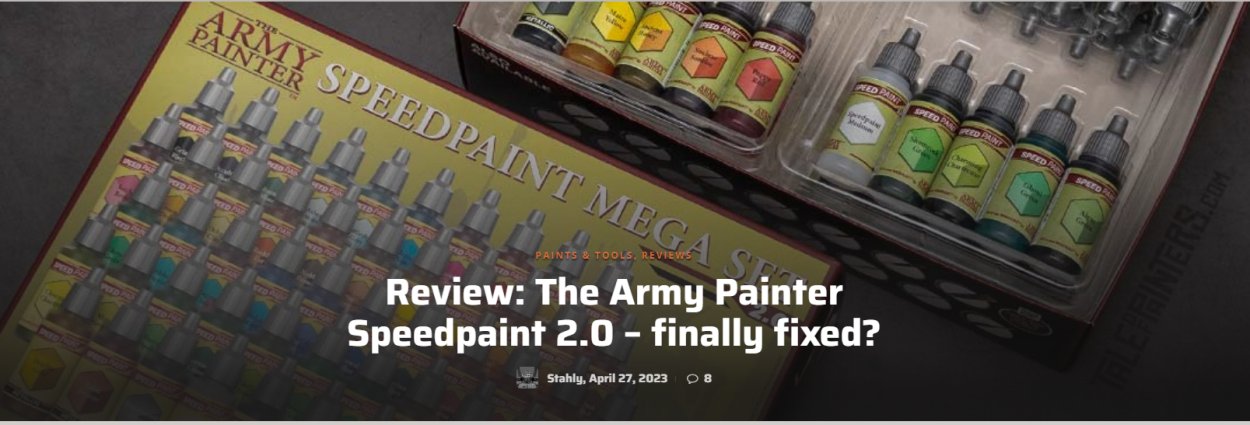
Ok I know some of you know me personally and would call me an old Grognard, who is stuck in his ways and has a funny way of walking (John :). As a miniature painter I have always favored washes over solid colors. This is mainly because I am a fair painter at best. Over the last few years I have adopted a quasi “Slapchop“ approach to painting using mostly Army Painter Speedpaint 2.0. If you aren’t sure what I am talking about I have added a YouTube link to each of these labels. These are not affiiate links and I am not trying to sell you anything!
Ok back to my thoughts. When I am done I always give them a light black wash (and I mean light) then as I like my Horse & Musket miniatures to look like bright Toy soldiers I paint them with a gloss laquer from Testors.
I am finishing up a 24 figure Saxon 7YW infantry unit in 40mm for my new Light Bobs 250 Anniversary edition. They are in white coats with yellow facings (I’m sick of red) and felt that a black wash would not be a good idea.
Well I have been using Chat GPT for a while as an aid to my rules writing (thanks to my brother David) so I thought well lets ask the web what I should use for a color. My questions was “what color should I use as a wash for painting miniatures in white and yellow”. Wow less that 30 seconds later here is my result. You decide 🙂
Chris
Straight black is usually a mistake here—it’ll make the white look dirty and the yellow look muddy. You want something that adds depth without killing the brightness.
For a miniature painted in white and yellow, a warm, controlled wash works best:
Best all-around choice:
- A light brown wash (often called sepia)
This settles nicely into recesses, adds definition, and keeps both the white and yellow looking warm and natural.
For brighter, cleaner results:
- A very thin tan or sandy wash
Good if you want a subtle effect and don’t want to darken the model too much.
For more stylized or vibrant shading:
- A yellow-orange wash
This enhances the yellow areas without dulling them and gives a sunlit, rich tone.
What to avoid:
- Heavy black washes (too harsh)
- Cool blue/gray washes (can make yellow look sickly unless used very carefully)
Practical tip:
Thin your wash more than you think you need, especially over white. You can always build it up in layers, but it’s hard to fix once white turns blotchy.
If you want, tell me what unit or uniform you’re painting (Continental, British, militia, etc.), and I can suggest a more historically flavored approach.
So there you have it. I will report back when I have finished the units.